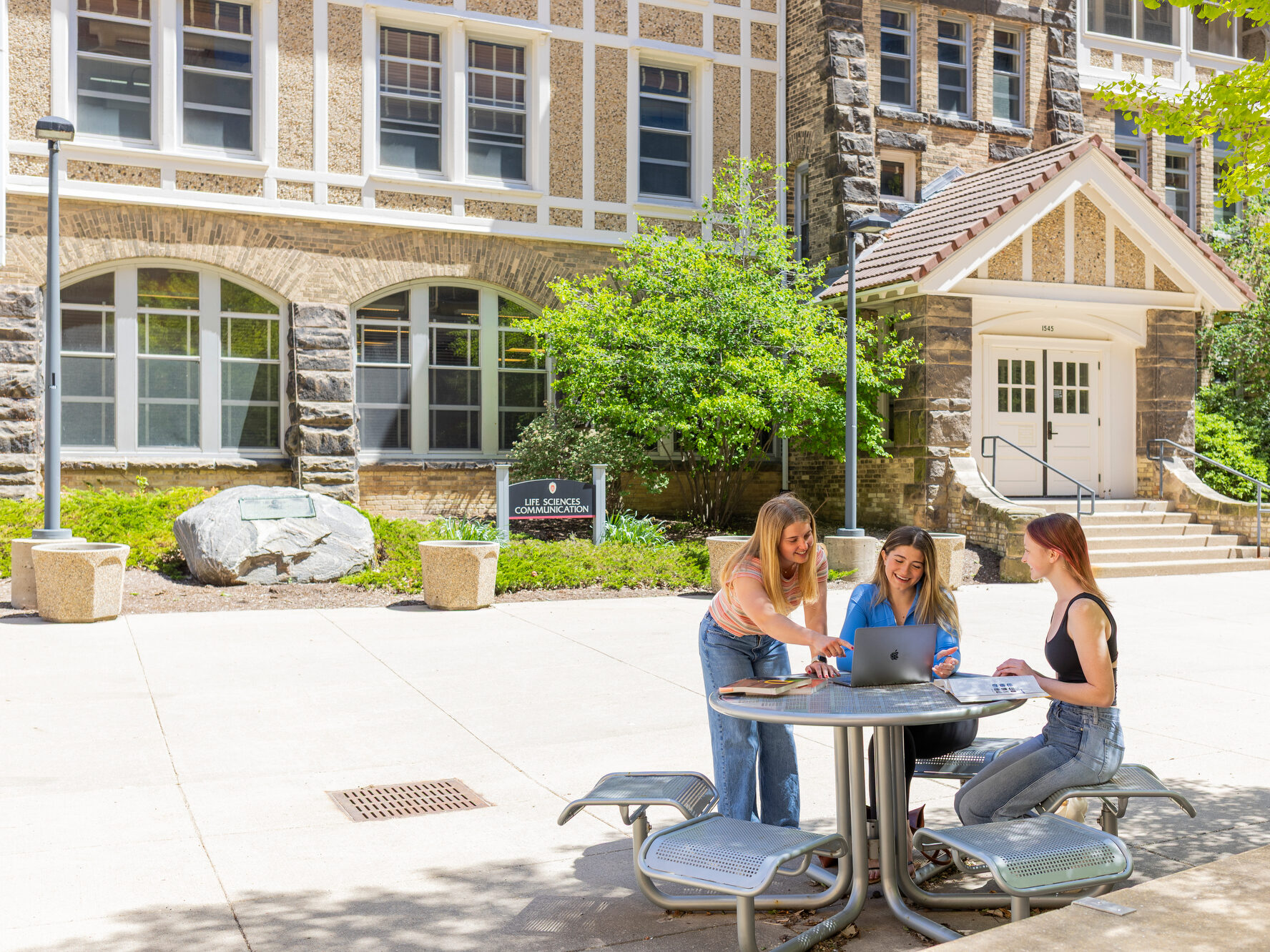
Connecting science and society.
At UW–Madison’s Department of Life Sciences Communication, we study how people understand and engage with science. We prepare students to communicate about health, the environment, and emerging technologies.
Discover Life Sciences Communication
Science shapes our lives. Communication shapes how we understand it. Through research, teaching, and community engagement, UW–Madison’s Department of Life Sciences Communication explores how people make sense of complex scientific issues and prepares students to communicate effectively about them. Get to know our faculty, follow our latest work, and connect with our community.
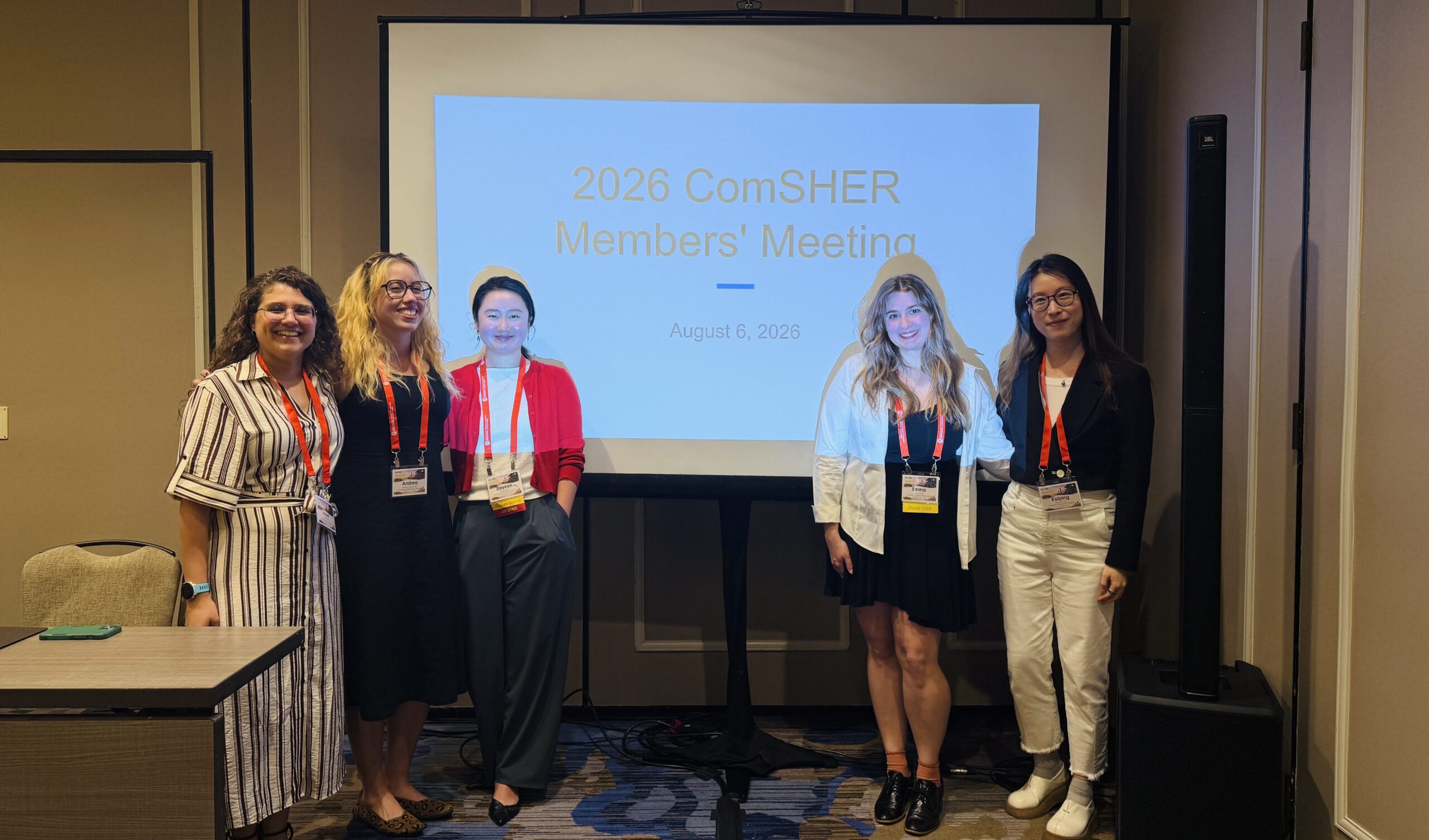
Where Science Impacts Society: Inside UW–Madison’s Science Communication Ph.D
From artificial intelligence and emerging technologies to environmental justice and health misinformation, UW–Madison’s Science Communication Ph.D. program examines how people understand, communicate about, and respond to a rapidly changing scientific world.
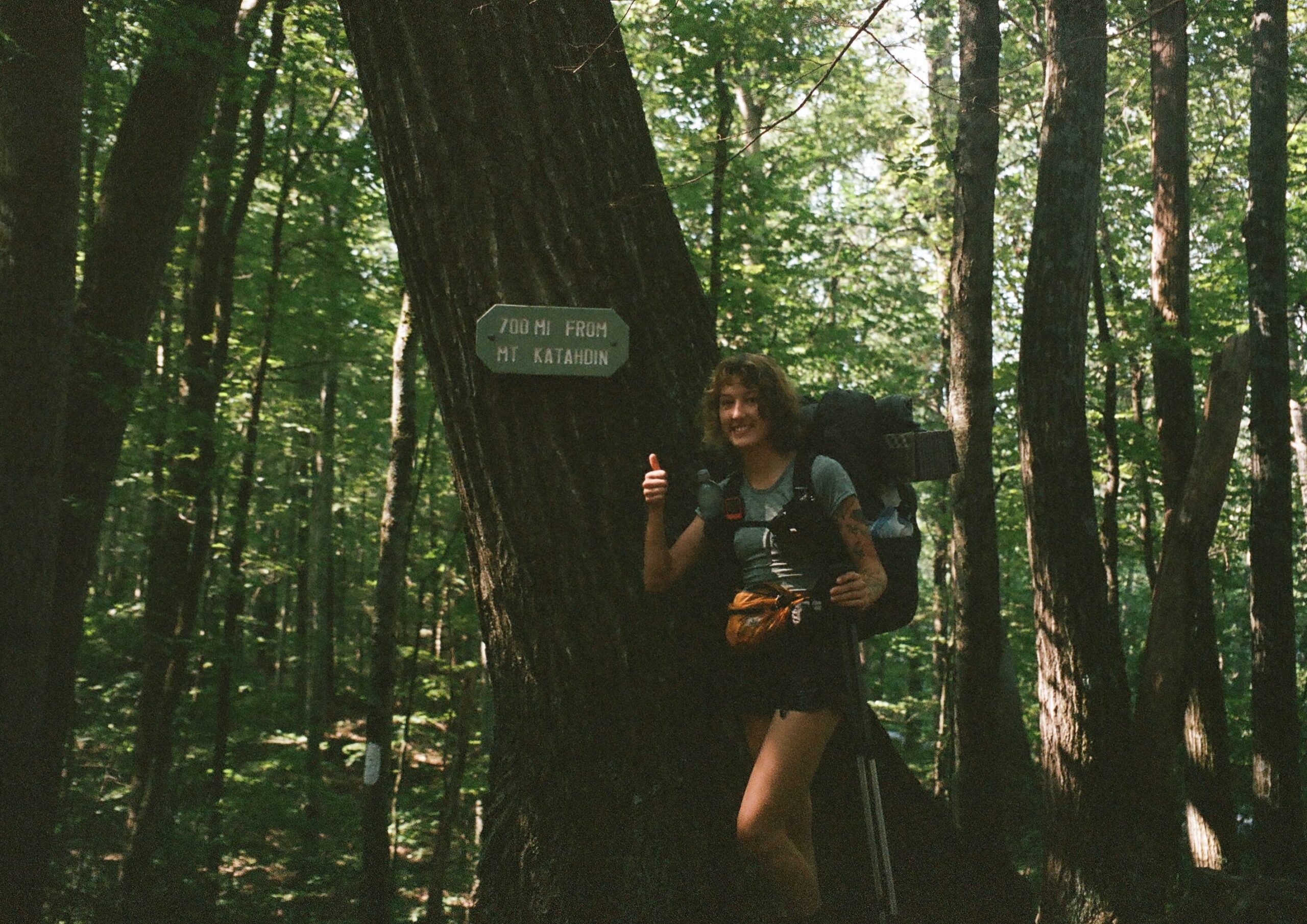
Q&A with LSC Master’s Student Veronica Mingle
LSC master’s student Veronica Mingle shares her passion for connecting communities, inspiring students, and using science communication to encourage environmental action.
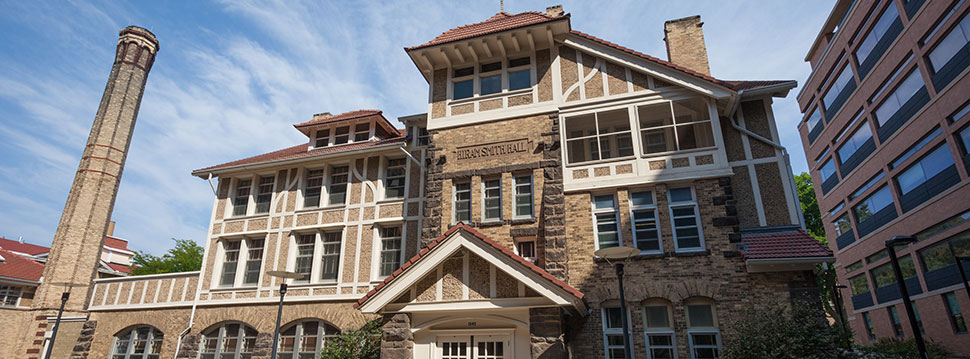
A Message from our Chair: 2025-2026 Year in Review with LSC
LSC’s Chair reflects on a year of student achievements, faculty honors, and growing science communication programs made possible by LSC’s dedicated community.
Upcoming Events
November
-
November 10
-
November 10
-
November 10University Opera Presents: La Cenerentola (Cinderella)Wisconsin Union Theater7:30 PM, Shannon Hall, Memorial Union
-
November 10
Select Publications
News
-
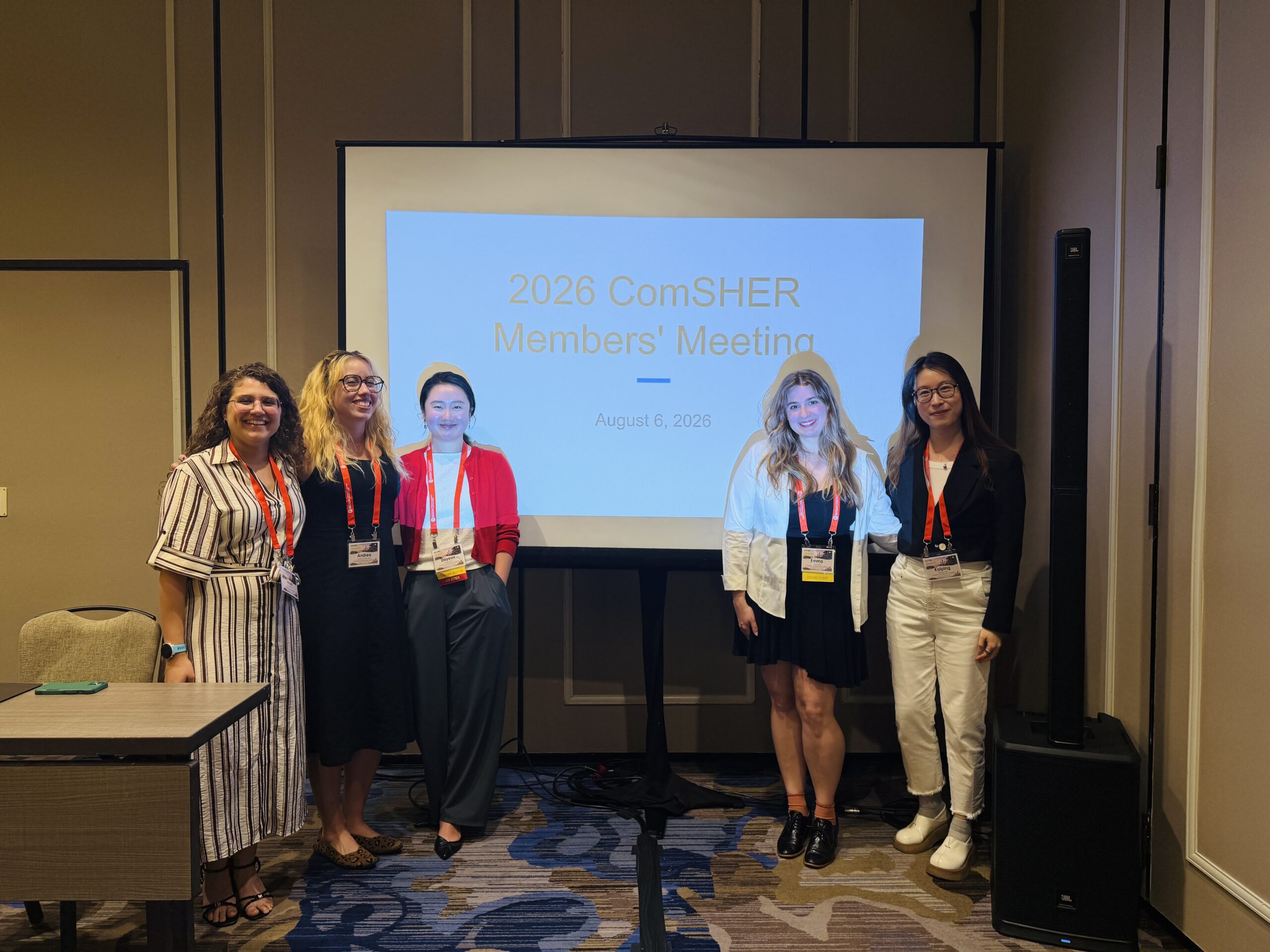
Where Science Impacts Society: Inside UW–Madison’s Science Communication Ph.D
From artificial intelligence and emerging technologies to environmental justice and health misinformation, UW–Madison’s Science Communication Ph.D. program examines how people understand, communicate about, and respond to a rapidly changing scientific world. AI,…
-
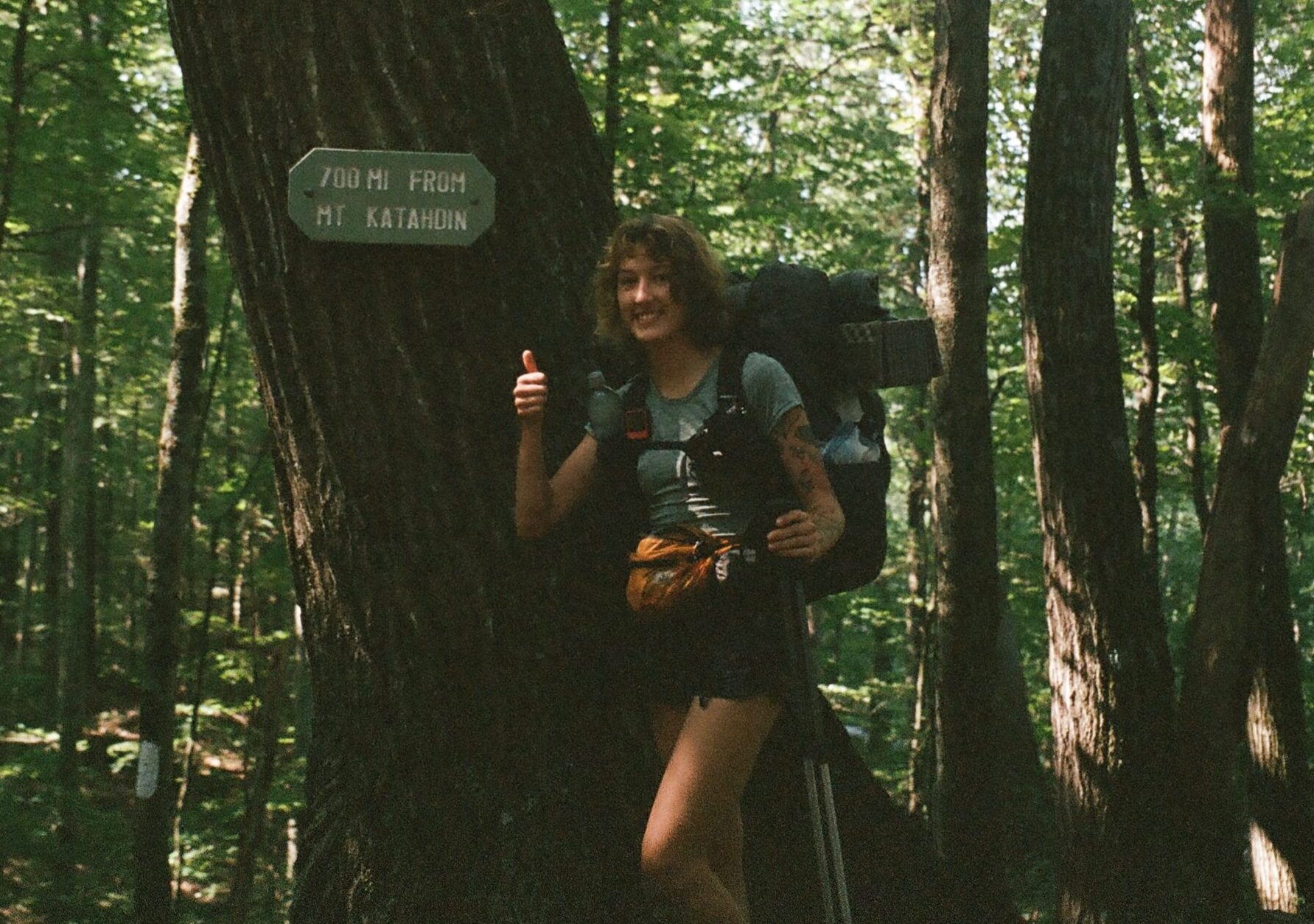
Q&A with LSC Master’s Student Veronica Mingle
Veronica Mingle is a first-year master’s student in the Department of Life Sciences Communication. Originally from Madison, Veronica attended Madison College before transferring to University of Wisconsin–Madison to complete her undergraduate degree, where she…
-

A Message from our Chair: 2025-2026 Year in Review with LSC
As the academic year has come to an end, I am thrilled to share some of the many accomplishments of our students, faculty, and friends during the 2025-2026 school year. I invite…
Select Publications
-
Perceived risks, benefits, and support for siting energy infrastructure: Comparing perceptions of carbon capture, nuclear fuel, and large-scale energy facilities
Ostad Rahimi, S., Molder, A. L., Ter-Mkrtchyan, A., Livingston, W., León-Corwin, M., Bitterman, A., … & Brossard, D. (2026). Journal of Risk Research, 1-22. doi.org/10.1080/13669877.2026.2689344
-
Visual realism and character identification in science comics: An empirical study testing McCloud’s “masking effect” theory
Yang, S., Barolo Gargiulo, L., Li, N., & Brossard, D. (2026). Visual Communication, 25(2), 575-602. doi.org/10.1177/14703572241258896
-
Refusal as silence: Gendered disparities in Vision-Language Model responses
Luo, S., Kim, S., Chen, K. (2026) New Media & Society. doi:10.1177/14614448261441886
-
The relationship between brand awareness and action for two national aquatic invasive species prevention brands
Newman T., Campbell T., Shaw B., Beppler T., and Duda M.D. (2026). Management of Biological Invasions. 17. 185-200. doi: 10.3391/mbi.2026.17.1.11.
-
Bridging digital divides in Wisconsin: an examination of policy efforts and effectiveness over the past five years
Cate, A., Moen, S., & Chen, K. (2025). Information, Communication & Society, 28(12), 2191–2210. https://doi.org/10.1080/1369118X.2024.2420038